Transnational Literature, Postcolonial Literature, and G2 (Second Generations Network) in Contemporary Italy— Maria Grazia Negro
My article focuses on literary and creative transnational production in contemporary Italy. The analysis of transnational and postcolonial literature and the creative work of second-generation immigrants will explain the pressure on the contemporary Italo-centric canon and on…...
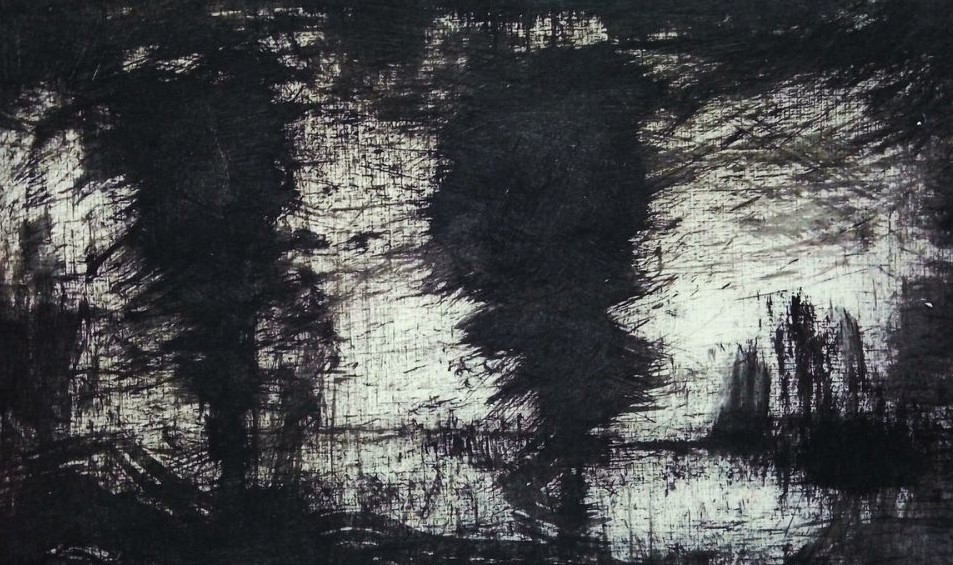
This Heart, The Sinking Depths…— Shankar Lahiri (Part One)
Translated from the Bengali by Bishnupriya Chowdhuri Artwork by Baibhab Bose 1. There, the vein gradually thins out from the leaf’s petiole to infinity. Like those fine reverberating threads…...
The Drunken Amphora— Parimal Bhattacharya
Translated from the Bengali by Bishnupriya Chowdhuri ...
A Feminist Translation: Spivak Translating Mahasweta Devi’s Draupadi— Ankita Bose
Of the several stories, poetry, dramas, and academic journals that I read as part of the curriculum of Comparative Literature at Jadavpur University, there have been many that have left me spellbound—some by their sheer…...
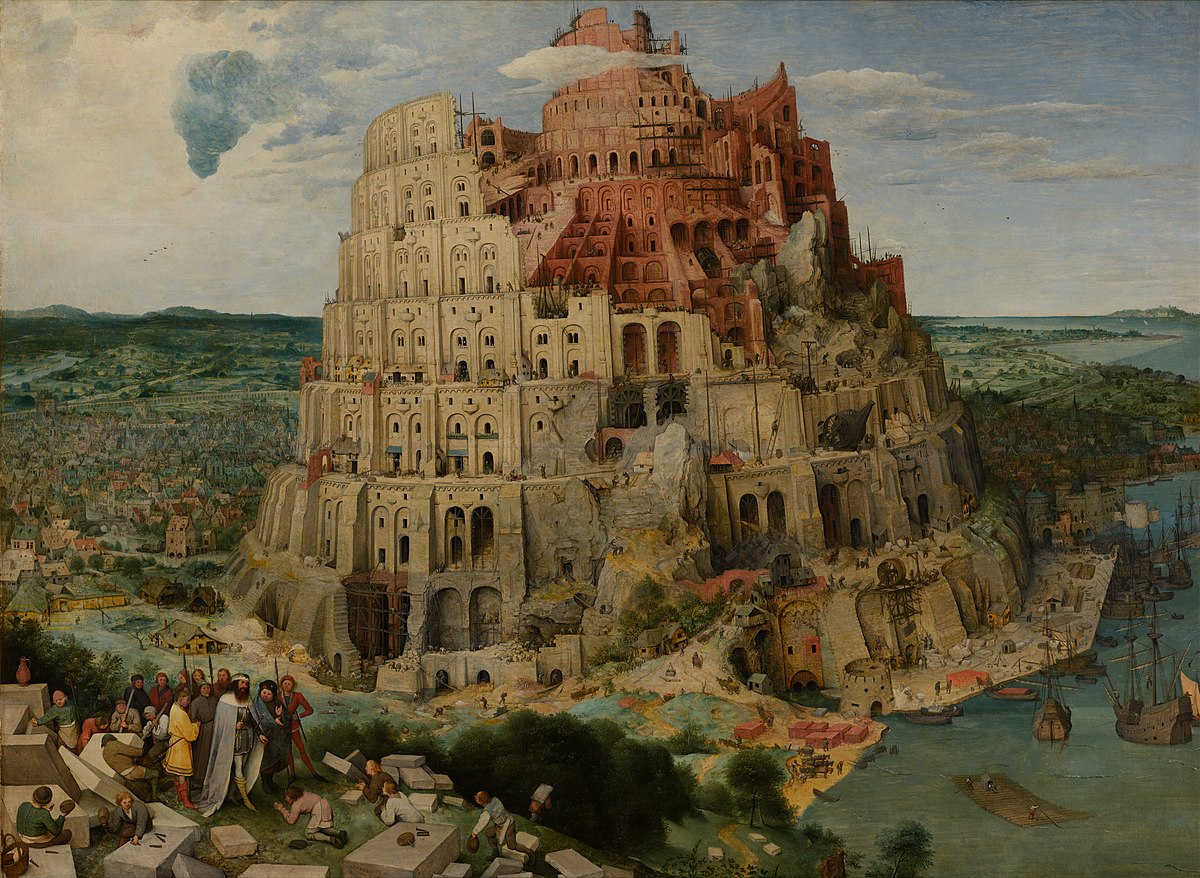
Babel 6600— Nazli Karabiyikoglu
Translated from the Turkish by Eylül Deniz Doğanay (And) The Lord said, “If as one people speaking the same language they have begun to do this, then nothing they plan to do will be impossible for…...
Feminine Pen: Translating Bengali Women Writers
Modern Bengali Literature, since its early days, has been enriched by the works of its myriad women writers. So, to understand the depth and volume of the expansive literary wealth of contemporary Bengali literature,…...
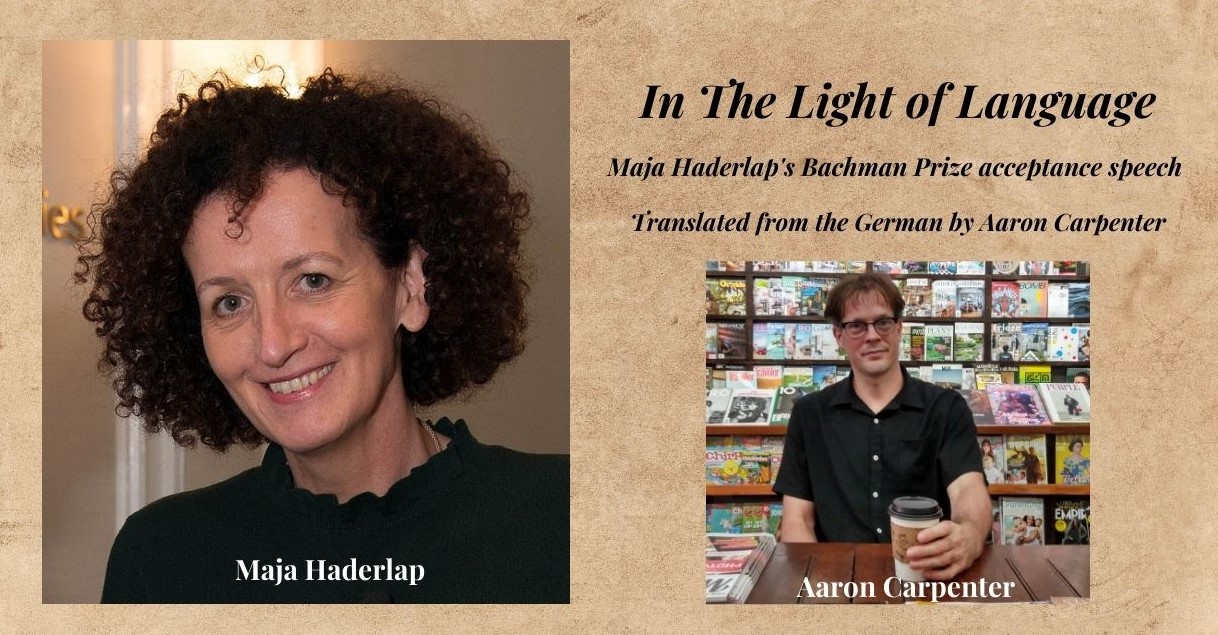
In the Light of Language— Klagenfurt Literature Speech By Maja Haderlap
Translated from the German by Aaron Carpenter The origin of this story lies in topography, wrote Ingeborg Bachmann at the beginning of her short story Drei Wege zum See . In it, the successful photographer, Elisabeth…...
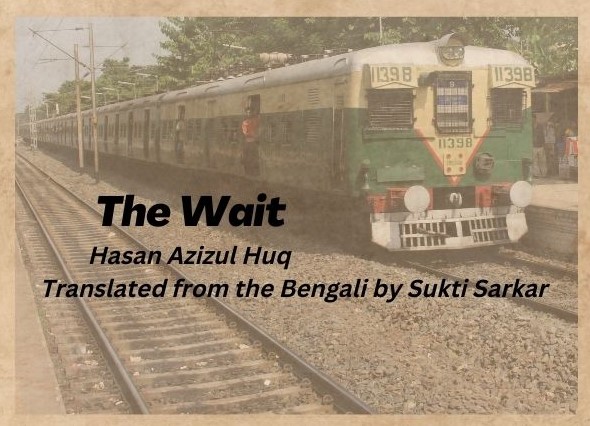
The Wait— Hasan Azizul Huq
Translated from the Bengali by Sukti Sarkar They say, trains never take one to the right destination. Of course, this is an exaggeration and I think those who maintain such a notion, actually speak of the…...
Bow— Parimal Bhattacharya
Translated from the Bengali by Bishnupriya Chowdhuri “I think man's most treasured possession is memory. It is a kind of fuel that burns and gives you warmth. My memory is like a trunk with many drawers.…...