Akhana Chhappa

Jul 2, 2026 | marathi, Poetry

Translated from the Gujarati by Rohee Dholakia
Mother tongue

As kindling forms from twigs well laid,
So Sanskrit grows from speech folk make.

No fire till the twigs are burned,
No Sanskrit till folk speech is learned.

Traders set prices high, Akha;
Real trade needs local paisa.


False beliefs

Duty, religion and false beliefs,
without each other do not exist;

Acts from beliefs or beliefs from acts.
A witless cow licks her dead calf’s body.

He who glides through false beliefs,
Akha, will remain unaware of Hari. 


Castes in India

Our world made of elements five,
a fool deems his caste best to thrive;

Hierarchies exist to run the world,
head, hands, waist or feet.

Brahma, Vaishnav, Shudra, Kshatriya,
Akha, what is inferior in Hari’s body?

Change is certain 

Seeing through this world’s facets,
there are no births, nor deaths.

A sail stiff meets defeat,
the soul remains complete. 

Birth, death: cycle of life,
but Akha, the world thrives.   


Daughter of an outcast

Untouchability, the daughter of an outcast,
enjoyed by men of higher caste;

Day and night exploited by men,
whose homes she dwells in.

Akha, pariah do not exist knowing Hari,
or they remain rooted in thought, deed, and body.


Translator’s Note: Akha Bhagat’s verses, known as Akhana Chhappa, are written in the nirgun tradition of the Bhakti movement (a medieval religious reform movement across India). Chhappa (cha+pai), meaning six legs, is a form adapted by Akha as six-line verses or sestets from the Chaupai (four-line verses or quatrains) form, which was more popular at the time. The sestet in his verses typically features eight-syllable lines, a rhyme scheme of AABBCC, and the poet’s name in the last line. This was important for the oral traditions of that time and they have helped make these verses remain memorable and popular today. 


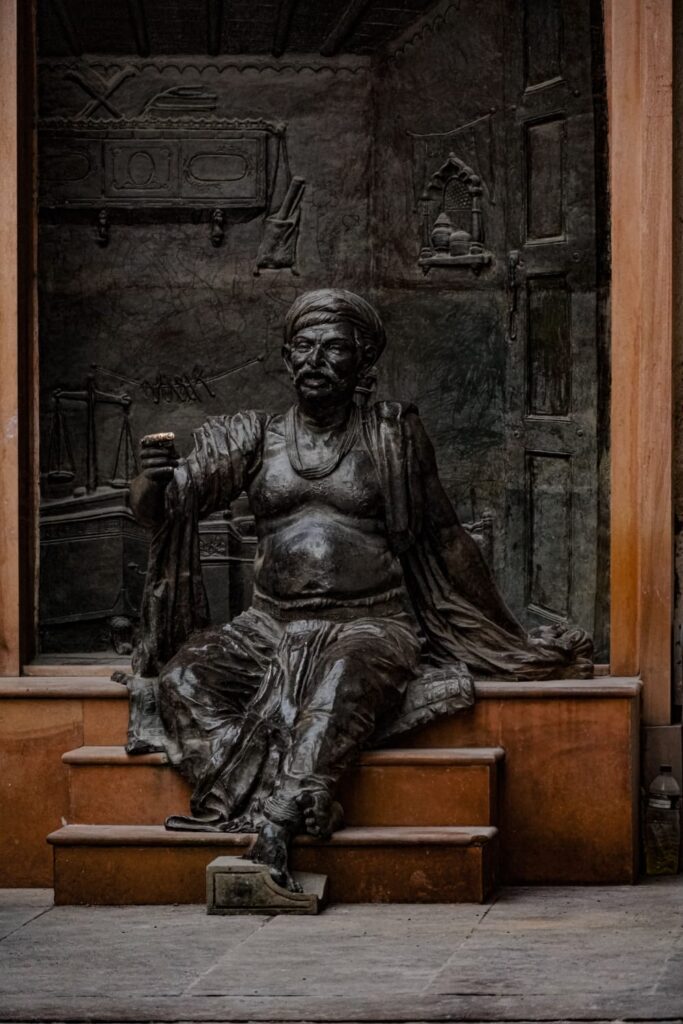
Photo on Pexels by Ranjeet Chauhan.
Akha Bhagat

Akha Bhagat

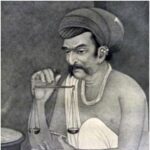
Akha Bhagat (c. 1591 – c.1656), also known as Akho or Akha Rahiyadas Soni, was one of the greatest medieval Gujarati poets who wrote in the tradition of the Bhakti movement. A goldsmith by profession, Akha Bhagat lived in Jetalpur near Ahmedabad and later moved to Ahmedabad – his small room in Desai Ni Pol known as ‘Akha no Ordo’ remains an important heritage landmark in the city. His literary output includes a wide range of works from spiritual treatises to devotional poetry like Akhe-Gita, Guru Shishya Samvad, Anubhav Bindu, Akhana Chappa, Panchikarana, Guru Mahatmya, Savottam Bhava, Prema Lakshana, Jivan Mukta Dasha, Brahma Vasu Nirupana, Chitta Vichar Samvada, Santona Lakshano, and Kaivalya Gita in Gujarati. His Hindi language works include Brahma Lila, Santa Priya, and Avasthnirupan.


Rohee Dholakia

Rohee Dholakia

Rohee Dholakia is a poet, translator and educator from Ahmedabad, India. She was an attendee at the South Asian Literature in Translation workshop 2024 (the SALT project) held by University of Chicago in Colombo and a mentee at 2025 American Literary Translators Association (ALTA) Emerging Translator Mentorship Program. She was nominated for the Pushcart Prize 2026 for her translation of a Gujarati short story “Nityakram” written by Panna Naik. Her work has appeared in The Chakkar, The Hemlock Journal. The g5a Imprint Magazine, Scroll, The Lakeer Magazine, The Hooghly Review, among other places. 

Browse More

Empowering African Voices Online: The Impact of WikiAfrica Education

Written by Dina Rosa Agyemang Did you know that Wikipedia, the world's most popular online encyclopedia, has more information about the city of Paris than about all 55 African countries combined? Africa is a continent rich in resources and technological know-how, yet...

Three Poems by Andrea De Alberti

Translated from the Italian by Jessica Harkins

High Tide by Sanjeev

Translated from the Hindi by Varsha Tiwary

Two Poems by Manishankar

Translated from the Bangla by Soma Roy and Kamalika Mitra

Three Poems by Andrea De Alberti

Translated from the Italian by Jessica Harkins

Al-Baqa Café, Gaza by Francis Kurkievicz

Translated from the Spanish by Francis Kurkievicz

Two Poems by Nirmala Putul

Translated from the Hindi by Pooja Sancheti

Two Poems by Marisela Capriles Vergara

Translated from the Spanish by James Richie

Bitemarks by Shyamkrishnan R

Translated from the Malayalam by Ananthu Sunil

A Daughter’s Echo by Kiran Prasad Rajanahally

Translated from the Kannada by Sahana Prasad     “There is a saying in the tale of Sankhyaayana, my dear daughter, that… when the impermanent body perishes, the soul remains unaffected! This has been beautifully conveyed in the rhythm of association. Rhythm...