The Smoke – Poem by Ssebo Lule

Sep 3, 2021 | Poetry

Translated from the Lugandan by the author
The Smoke

The smoke means everything is burning away.
Our country is a hut full of skeletons.
Skeletons that never scream for help.
Screams that should sound like bullets getting fired.
Bullets are only fired at government ceremonies.

The smoke means food is burning.
It burns but the chef adds more charcoal.
Charcoal for food also burns the dead-and-buried.
The dead were lied to.
Switching worlds isn’t therapy.
Healing comes by not looking like a corpse.
Stop talking about the dead they won’t respond.

The smoke is the symbol of a new factory.
This new country is getting rid of citizens.
Citizens live on the smallest portion of land.
Only a few haven’t shed tears for it.
Tears close up our fresh wounds.
All alien things steal a piece of us.

__
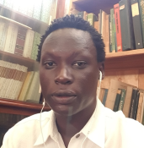
Ssebo Lule (pen name) is a Luganda performance poet and translator born and living in Kampala, Uganda. His debut poetry collection Ogenda wa was published in 2018. Since then, he has performed at several arts festivals, acted in a short film called Rolex, and recently, during the 2020 lockdown, released a short poetry-rap album called Piibi. His most recent works are about COVID19, and the 2020 general elections in his country. He mostly writes poems as socio-political commentary, environmental conservation activism, and the relationship between man and inanimate objects.

Browse More

স্কটল্যান্ডের স্বপ্নদেশে: A Macbeth Whodunnit by Subarna Mondal

The Antonym in conversation with professor, translator, and director Subarna Mondal.

An Elusive Art

Written by Subhrasankar Das

HIJOS by Candelaria Romero

Translated from the Italian by Brenda Porster

Three Poems by Arthur Rimbaud

Translated from the French by Thade Jude Correa.

Alakananda Sengupta: The Sculptor as Translator of Protest

The Antonym in conversation with terracotta artist Alakananda Sengupta.

Three Poems by Amitabh Bachchan

Translated from the Hindi by Annie Zaidi

Two Poems by Hughes Labrusse

Translated from the French by Patrick Williamson

Akhana Chhappa

Translated from the Gujarati by Rohee Dholakia