Bidding Adieu to the City, Parts I and II— Uday Prakash

Aug 11, 2023 | Poetry

TRANSLATED FROM THE HINDI BY MOULINATH GOSWAMI
Bidding Adieu to the City, Parts I and II

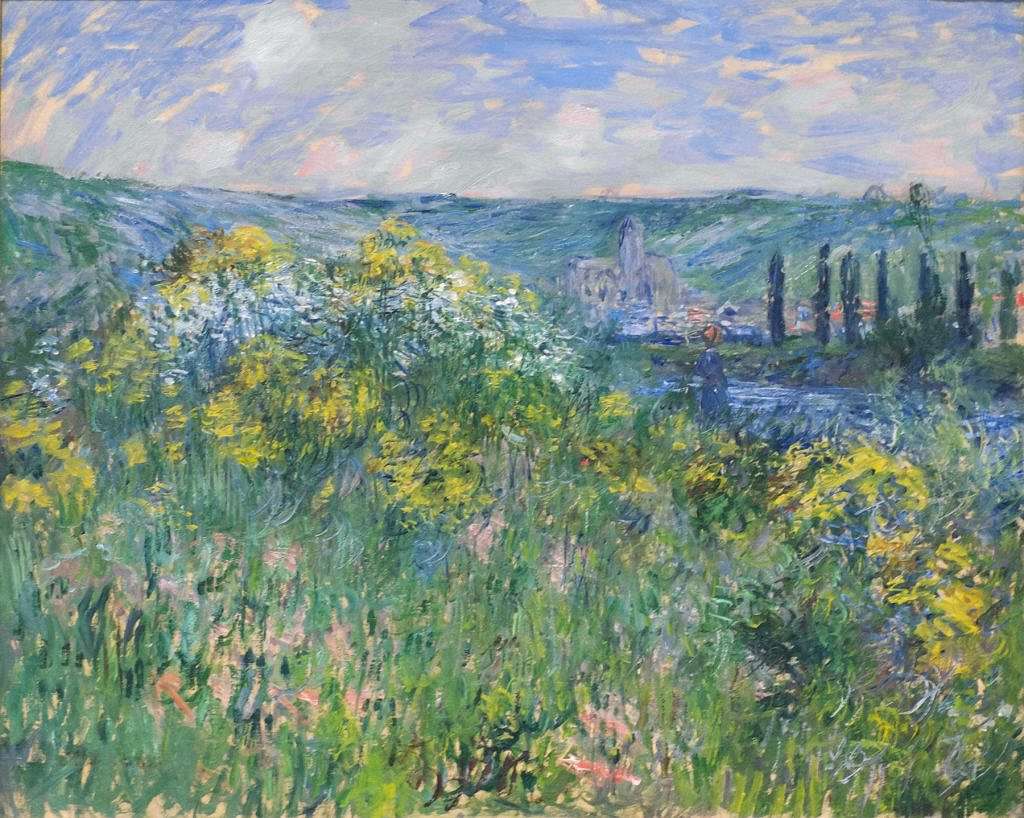
Image Used For Representation


BIDDING ADIEU TO A CITY – 1

Had we not been here today then
where would we be Tapti?
Perhaps somewhere inside some old well
in a village across some river
We would have remained sunk
like some ancient brass pots
on which sunrays shone once in a while
and with anyone’s name written on our bodies.

Or perhaps we would have been anywhere
living somehow sticking to each other
melting with every downpour like a pair of clods
heating up each afternoon.

Had we been there even at night
we would still be breathing, Tapti,
and in the dark
we would be staring at their flow, amazed

Do we at times
weep over living in some other way, Tapti?


BIDDING ADIEU TO A CITY – 2

You know what, Tapti
once upon a time I wanted to board a ship
and sail as far as up to The Atlantic.

Such that the breeze was against me
absolutely opposite
Not even a breeze but a tempest or a tornado
in which girders fall to pieces
doors begin to flutter like wings,
walls collapse, and jungles raze into fields.

In truth I wanted to go beyond The Atlantic,
up to the North Pole
where white bears inhabit
and nights sparkle like metal coins.

And there standing atop some gigantic iceberg
I wanted to scream
that I have finally arrived, me Tapti
past everything
that stands for the cunning, crafty and dreadful world of alligators
and with my heart brimming with child-like love
for you.

However what to do of this
that the weather was not conducive
and there was no ship either
and Tapti, the fact is
till date I have never been to an ocean!

What about Tapti…?
It is just the name of the river
that I had read in schoolbooks during my childhood days.


Also, read A Book Review of Asylum and Other Poems by Oudarjya Pramanik published in The Antonym:

A Book Review of Asylum and Other Poems— Oudarjya Pramanik


Follow The Antonym’s Facebook page and Instagram account for more content and exciting updates.
Uday Prakash

Uday Prakash

Born in 1952 in Aunppur, Madhya Pradesh, Uday Prakash is a wearer of many hats. A renowned Hindi poet and short story writer, he has also worked as a translator, journalist, editor, and TV director. He contributes regularly to many well-known dailies and periodicals. He is the recipient of the Sahitya Akademi award in 2011 for Mohandas and the 2009 SAARC Literary Award. The translations of his work The Walls of Delhi has been shortlisted for the DSC Prize for South Asian Literature and the Jan Michalski Prize for Literature in 2013. His stories explore the myriad facets of the human mind and the divisions in the Indian society based on class, caste, sectarian and gender lines.

Moulinath Goswami

Moulinath Goswami

Born in Asansol, West Bengal, India, Moulinath Goswami writes poetry in Bengali, his mother tongue, as well as in English. Writing is his escape, his meditation. Though primarily a poet, he writes prose as well and does translations in Bengali and English. He contributes regularly to the prominent magazines and periodicals of West Bengal, Bangladesh, and overseas. His collections of Bengali poems include Dayal, Kuashar Tukrora. His third book Memoir Of A Girl consists of English translations of Bengali poems of Jhelum Trivedi. He has a collection of Bengali short stories Paranbiler Maath to his credit. He was an invitee participant in the Multi-lingual Writers’ Meet organized by Bharat Bhawan, Bhopal in February 2020.

Browse More

High Tide by Sanjeev

Translated from the Hindi by Varsha Tiwary    Mother would tell us that we hailed from Sonardeeghi village, in Faridpur, now in Pakistan. Even after Bangladesh came into being in 1971, she continued calling it Pakistan. Many Bengalis hailing from that side would...

Two Poems by Manishankar

Translated from the Bangla by Soma Roy and Kamalika Mitra  ⁠✿ Before suicide one has to thinkIf it is the right poisonWhat causes the least pain,Or does not disfigure the face,Or if it leaves bruises under eyes,One needs to know what causes instant deathWithout any...

Three Poems by Andrea De Alberti

Translated from the Italian by Jessica Harkins Lucy This incomplete skeleton became Lucy in ’74and lucent for a few American anthropologists,but the remains are not enough to offer usa portrait of the early phases of human evolution.By coincidence, that same year, in...

Al-Baqa Café, Gaza by Francis Kurkievicz

Translated from the Spanish by Francis Kurkievicz Poetry cannot begin to contemplateAll the tragedies of Gaza,Every day social mediaReports - in loco - radical events,Happenings that hegemonic mediaDisdains, conceals and distortsIn favor of "committed" advertisersWith...

Two Poems by Nirmala Putul

Adivasi Women

Their world extends only so far
as their eyes can see.
Many, many worlds like theirs
are contained in this world. They do not know

Two Poems — Marisela Capriles Vergara

Translated from the Spanish by James Richie   Aqueous Logic A tear is always a tear even if its origin – the well of tears – doesn’t know about it doesn’t remember it doesn’t feel the slightest bit responsible for the lost salt. The tear, all in all, wants only...

Bitemarks — Shyamkrishnan R

Translated from the Malayalam by Ananthu Sunil

A Daughter’s Echo — Kiran Prasad Rajanahally

TRANSLATED FROM KANNADA BY SAHANA PRASAD     “There is a saying in the tale of Sankhyaayana, my dear daughter, that… when the impermanent body perishes, the soul remains unaffected! This has been beautifully conveyed in the rhythm of association. Rhythm here...

Poems — Bhaskar Chakraborty

TRANSLATED FROM BENGALI BY PARTHA PRATIM DAS     Lovers and their Lady-loves One day lovers become husbandsHusbands, no longer loversBut they have omelette or sandwichesStroll around leisurelySmoke country cigarettesAnd watch blue films at night And...

Faith — Mojeer Ahmad Azad

TRANSLATED FROM URDU BY SYED KASHIF     Once again, his case was adjourned. The court had fixed another date, to hear his case, in the next month.      Harish Chand Tripathi was upset with the conduct of court. But he was helpless. He could hardly do...