Two Hungarian Poems— Translated by Joe Váradi

Dec 28, 2022 | Poetry

Translated from the Hungarian by Joe Váradi


The Storm Approaches 

By Attila József


Storm Approaches, Hungarian Poem

Artwork by Csontváry Kosztka Tivadar


The storm approaches, ebon-crested,
irate judges, black-cloaked and vested,
lightning bolts sever skies tempested,
like pangs of an afflicted mind,
velvet murmur stirs close behind,
jasmine petals shiver in kind.

Apple blossoms - branches yet intact—
racing with time to unfurl, extract
their ephem’ral wings - what a fools’ pact!
All along this grassy down’s tilt,
wretched blades of grass droop and wilt,
mourn the sun’s descent into silt.

Trembling at the dreaded verdict’s heft—
thus the wee ones their example set,
bear humbly the pained life you have left,
with a song so soft that even
the grasses will sense you, within,
and take you for one of their kin.


Quietude 

By Margit Kaffka
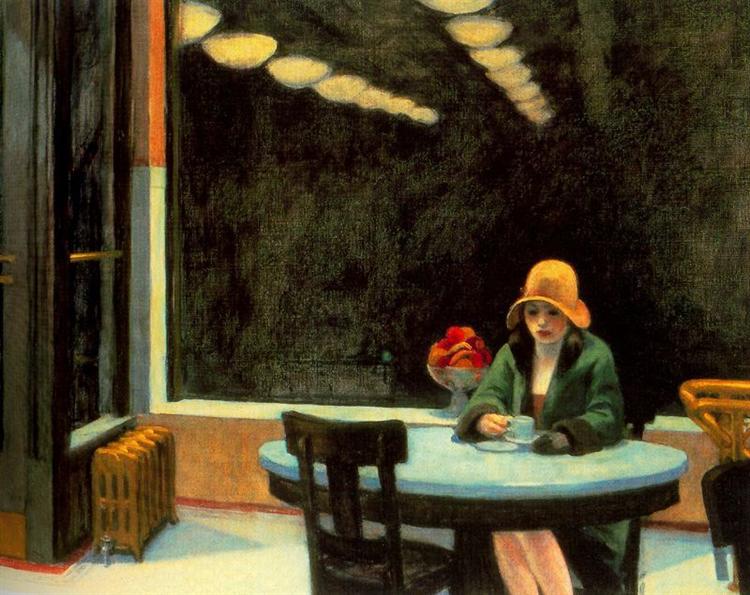
 

Quietude, Hungarian Poem

Artwork by Edward Hopper


I know naught
Of silence that burning secrets wrought
And wherein seeds of brewing storms awake;
Wherein covert promises plant their stake.
Of silence that draws thunderous reply,
Taut cord, that snaps its final ply,
Or which stirs a grand harmony
Of life, joy, and fatal destiny,
Come what may! Come, as it ought!
—of such silence I know naught.

But I do know
Where melancholy’s gnarled vines grow,
Halfwit carrier of a disfigured past,
Endless lonely hours till dusk at last,
Whence mute, impassive shadows depart,
Casting no blame, settle around my heart,
And for the heart to wait—it hasn’t any right—
Tomorrow comes, as the present day arrived,
Minutes beget minutes, for it must be so,
—This silence I do know. 


Also, read a Bengali story by Shyamal Gangopadhyay, translated into English by Chaiti Mitra, and published in The Antonym:

The Fairy— Shyamal Gangopadhyay


Follow The Antonym’s Facebook page and Instagram account for more content and exciting updates.
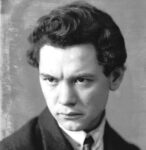


Attila József (1905 – 1937) started from humble origins and a troubled childhood—abandoned by his father, sent to foster parents by his struggling mother—to become one of the giants of 20th-century poetry in his nation. He died at a young age in a tragic accident that was suspected by some to be suicide.


Margit Kaffka

Margit Kaffka (1880 – 1918) was a poet, writer, teacher, and member of the Nyugat generation. She died in the 1918 flu pandemic along with her young son.

Joe Váradi is a translator and editor of No Crime in Rhymin’, an online forum devoted to humorous and edgy poetry that adheres to traditional forms.

Browse More

Empowering African Voices Online: The Impact of WikiAfrica Education

Written by Dina Rosa Agyemang Did you know that Wikipedia, the world's most popular online encyclopedia, has more information about the city of Paris than about all 55 African countries combined? Africa is a continent rich in resources and technological know-how, yet...

Three Poems by Andrea De Alberti

Translated from the Italian by Jessica Harkins

High Tide by Sanjeev

Translated from the Hindi by Varsha Tiwary

Two Poems by Manishankar

Translated from the Bangla by Soma Roy and Kamalika Mitra

Three Poems by Andrea De Alberti

Translated from the Italian by Jessica Harkins

Al-Baqa Café, Gaza by Francis Kurkievicz

Translated from the Spanish by Francis Kurkievicz

Two Poems by Nirmala Putul

Translated from the Hindi by Pooja Sancheti

Two Poems by Marisela Capriles Vergara

Translated from the Spanish by James Richie

Bitemarks by Shyamkrishnan R

Translated from the Malayalam by Ananthu Sunil

A Daughter’s Echo — Kiran Prasad Rajanahally

TRANSLATED FROM KANNADA BY SAHANA PRASAD     “There is a saying in the tale of Sankhyaayana, my dear daughter, that… when the impermanent body perishes, the soul remains unaffected! This has been beautifully conveyed in the rhythm of association. Rhythm here...